

Protected rooms, daily cleanup
Bethlehem Home Remodeling That Cleans Up After Itself
Barrow County red clay stays on the drop cloths, not your carpet. We remodel whole homes, basements and kitchens behind dust walls and sweep up before leaving each day.
Run your project past us on (000) 000-0000While the Work Is Underway
-
Covered first
Floors, stair treads and anything staying in the room get covered before the first tool comes in.
-
Dust walled off
Plastic dust walls close the work area so the rooms beside it stay in normal use.
-
Swept every day
Debris goes out and the work area is swept before the crew leaves, every workday.
-
Costs in writing
Labor and materials are itemized on paper, and any change waits for your signature.
What We Remodel
Most of our jobs are whole-house updates or basements being turned into real rooms, and a good share are kitchens and bathrooms. Painting, additions and ADUs get the same covered floors and end-of-day sweep.
-
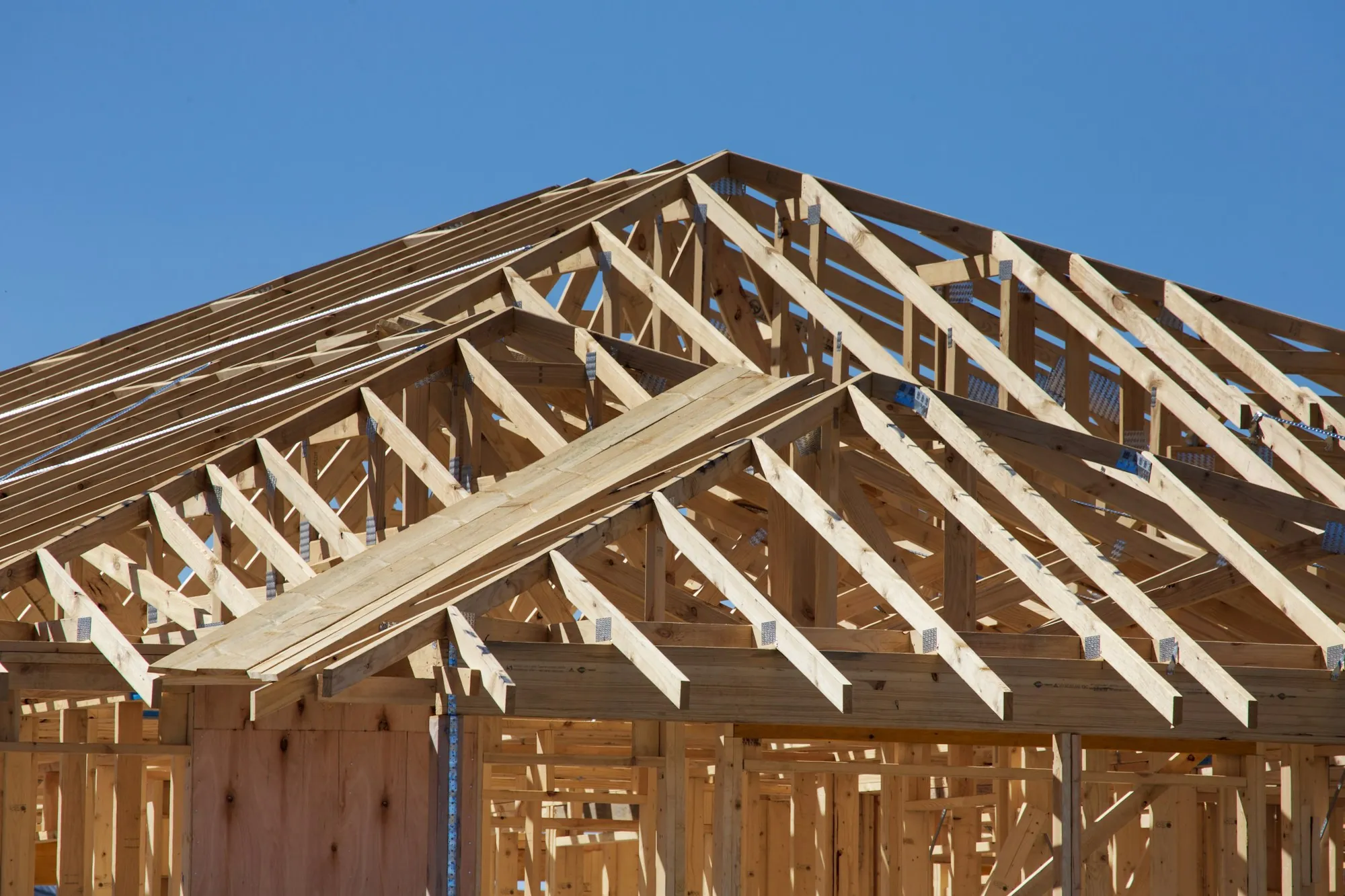
Whole-Home Renovations
Several rooms or the entire house updated under one plan, with finished areas protected while the next section is opened up.
-
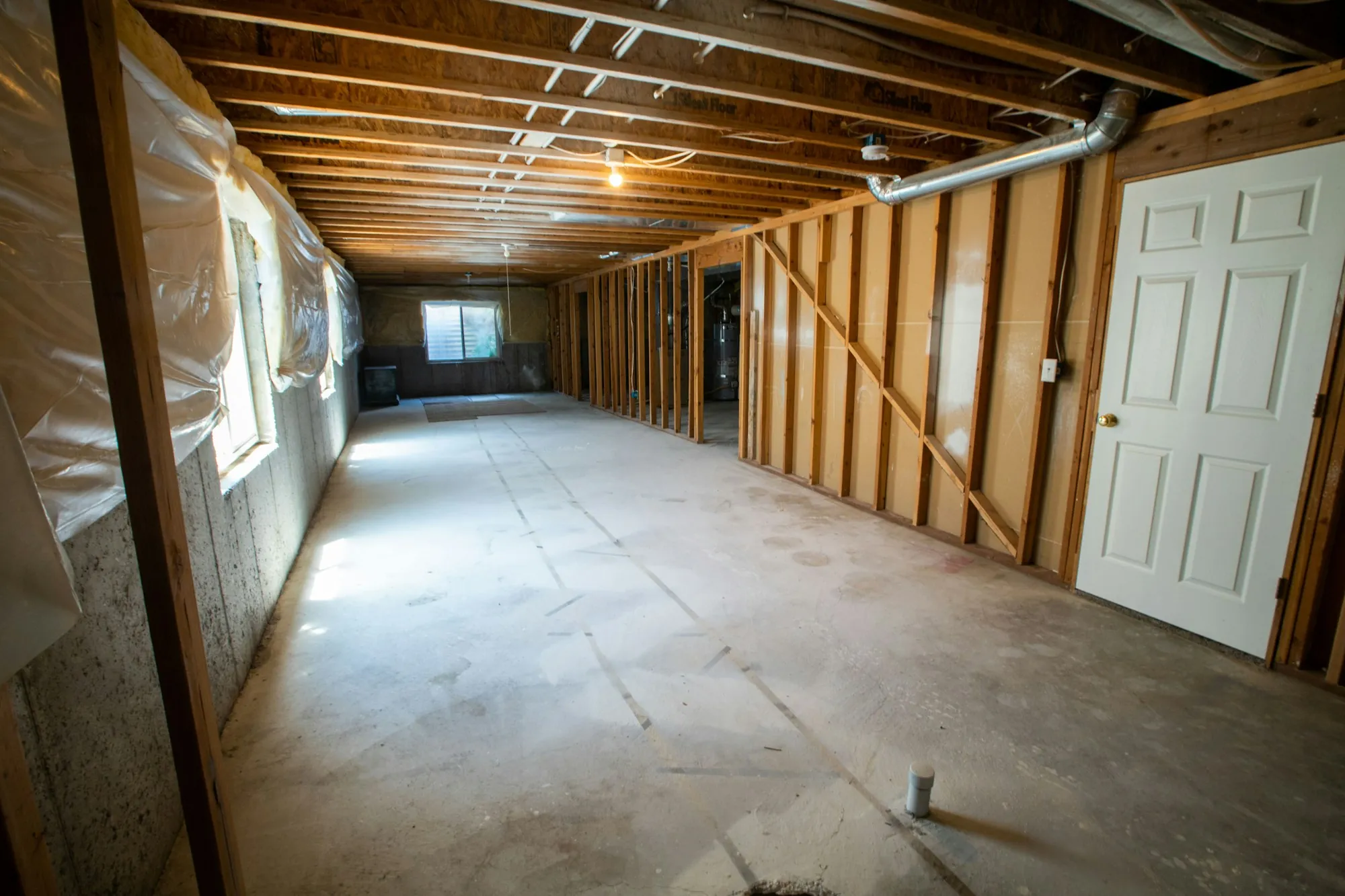
Basement Finishing & Remodeling
Bare concrete turned into a family room, office, guest suite or bath, with moisture checked first and the stairs kept clean.
-
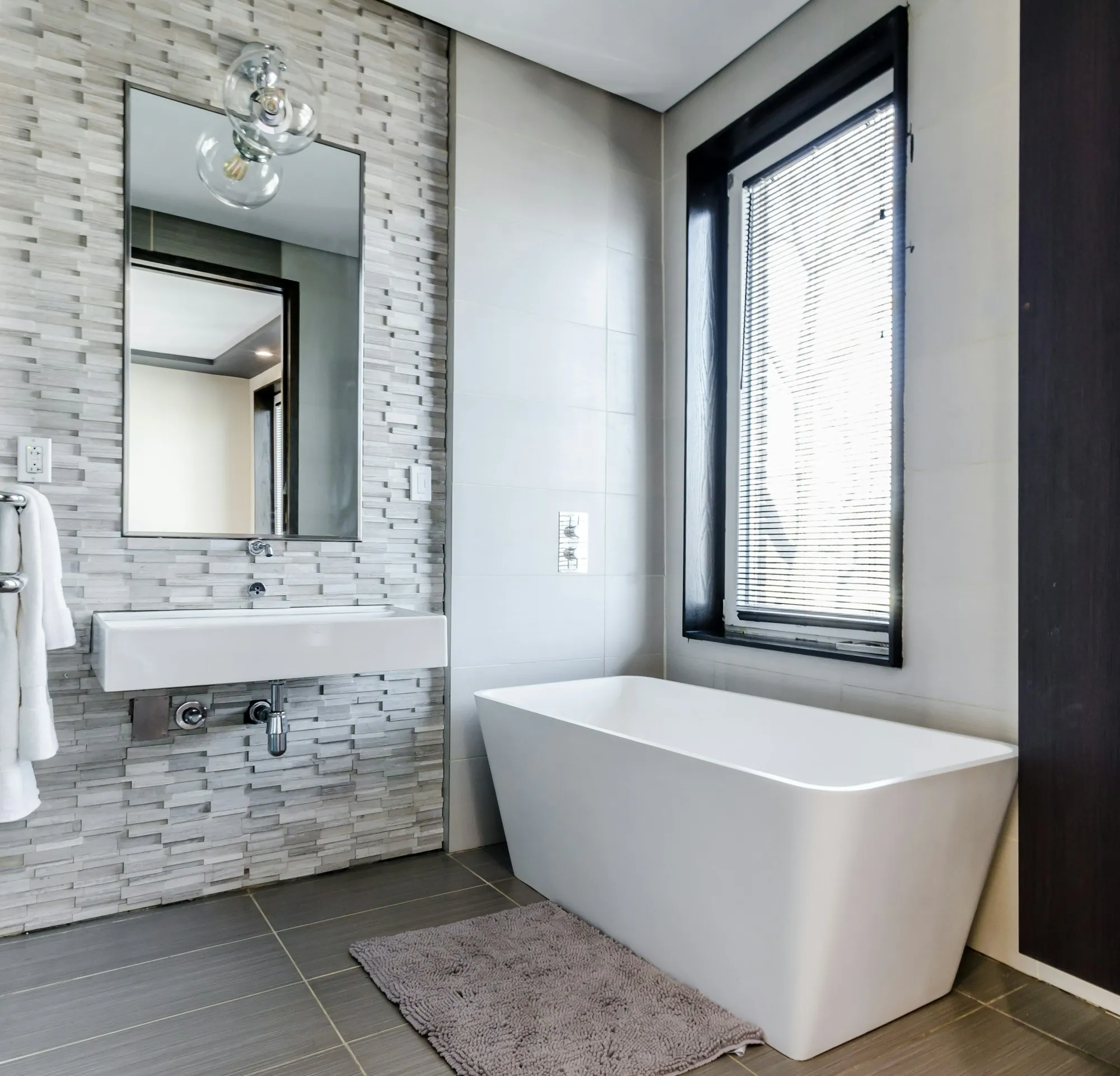
Bathroom Remodeling
A tired bath rebuilt with a new shower or tub, tile, vanity and exhaust fan, and the mess contained to one small room.
-
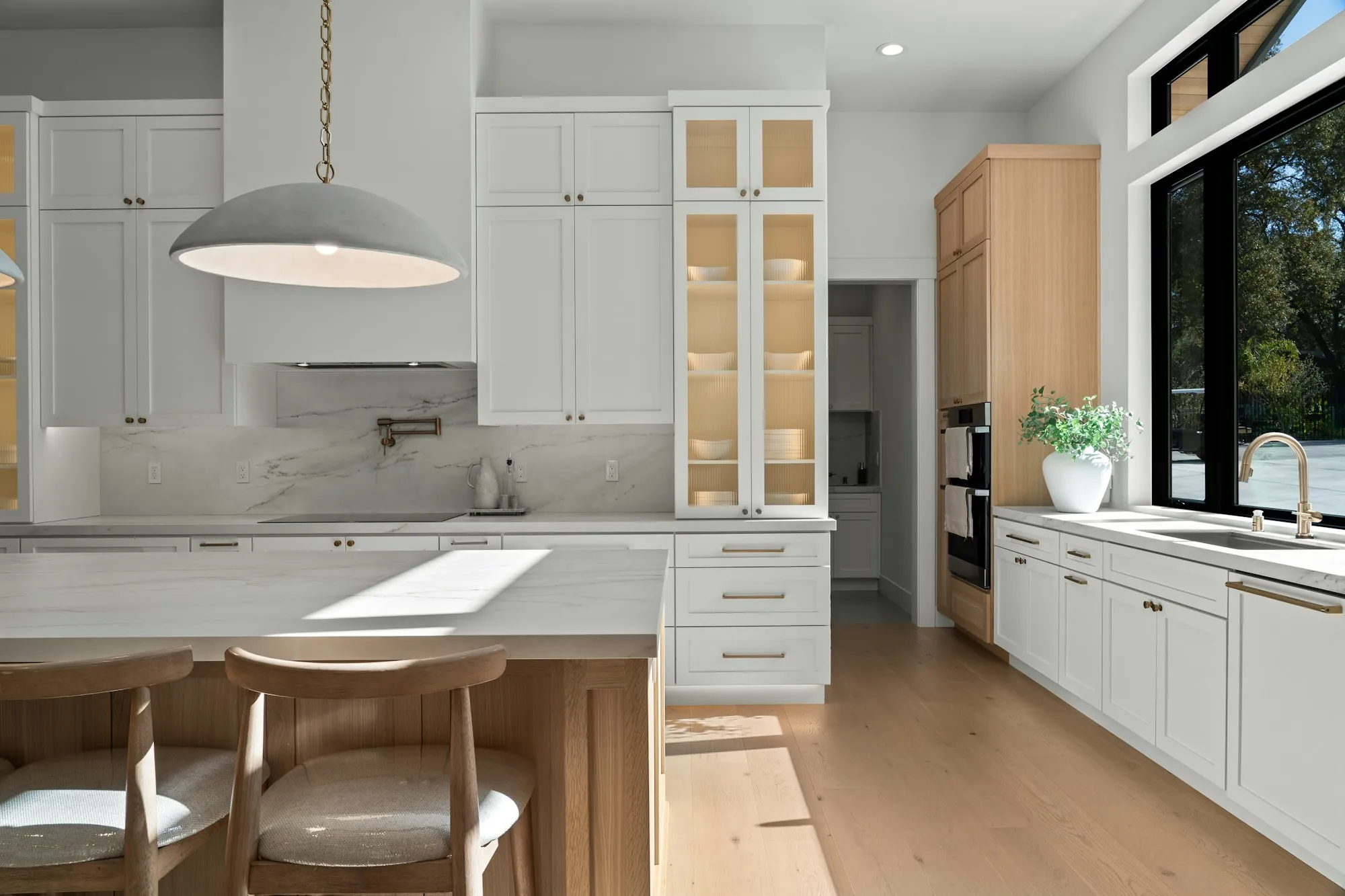
Kitchen Remodeling
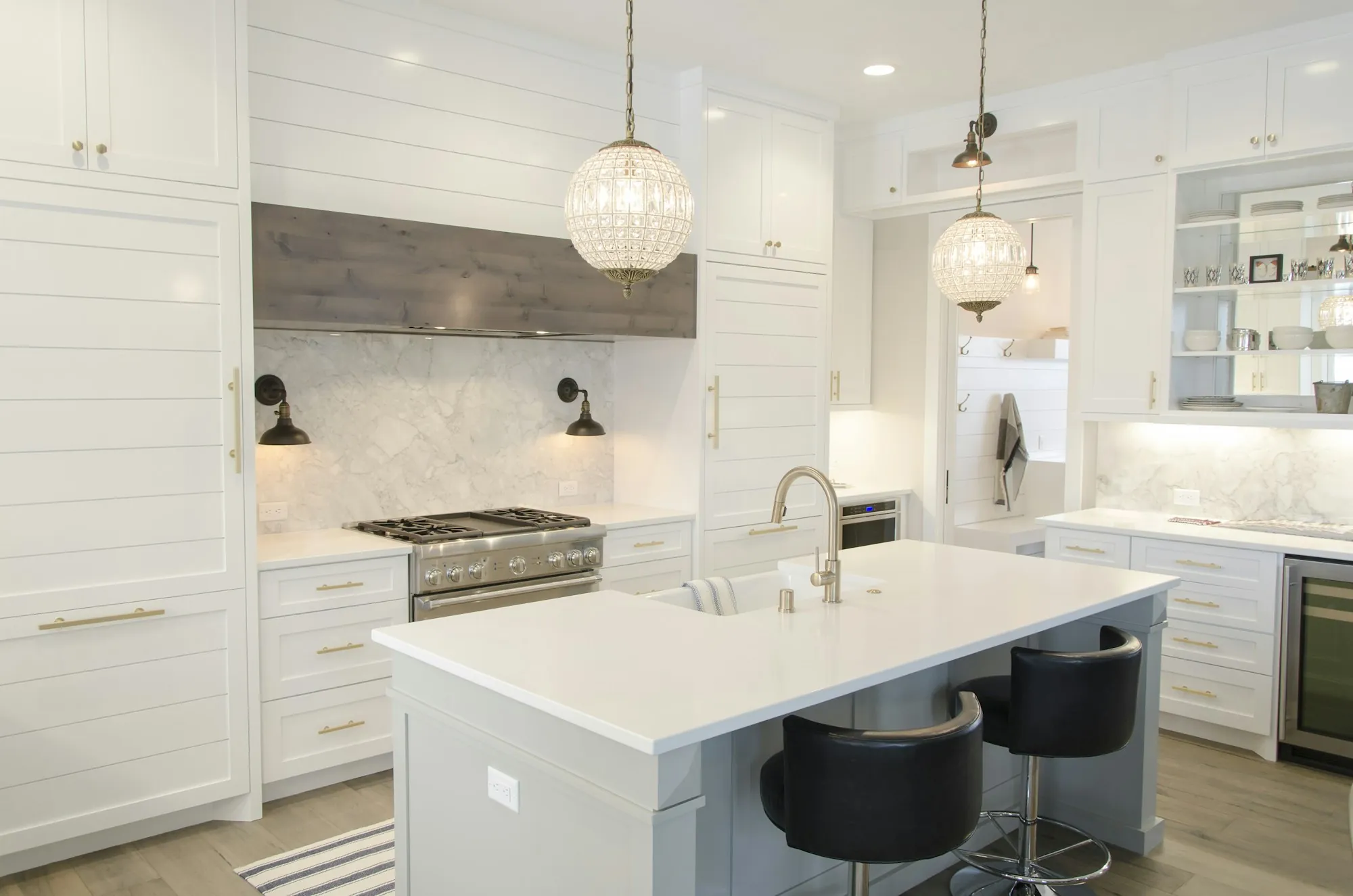
Fresh cabinets and counters, better light or an island where a wall used to be, with a temporary cooking spot planned first.
-
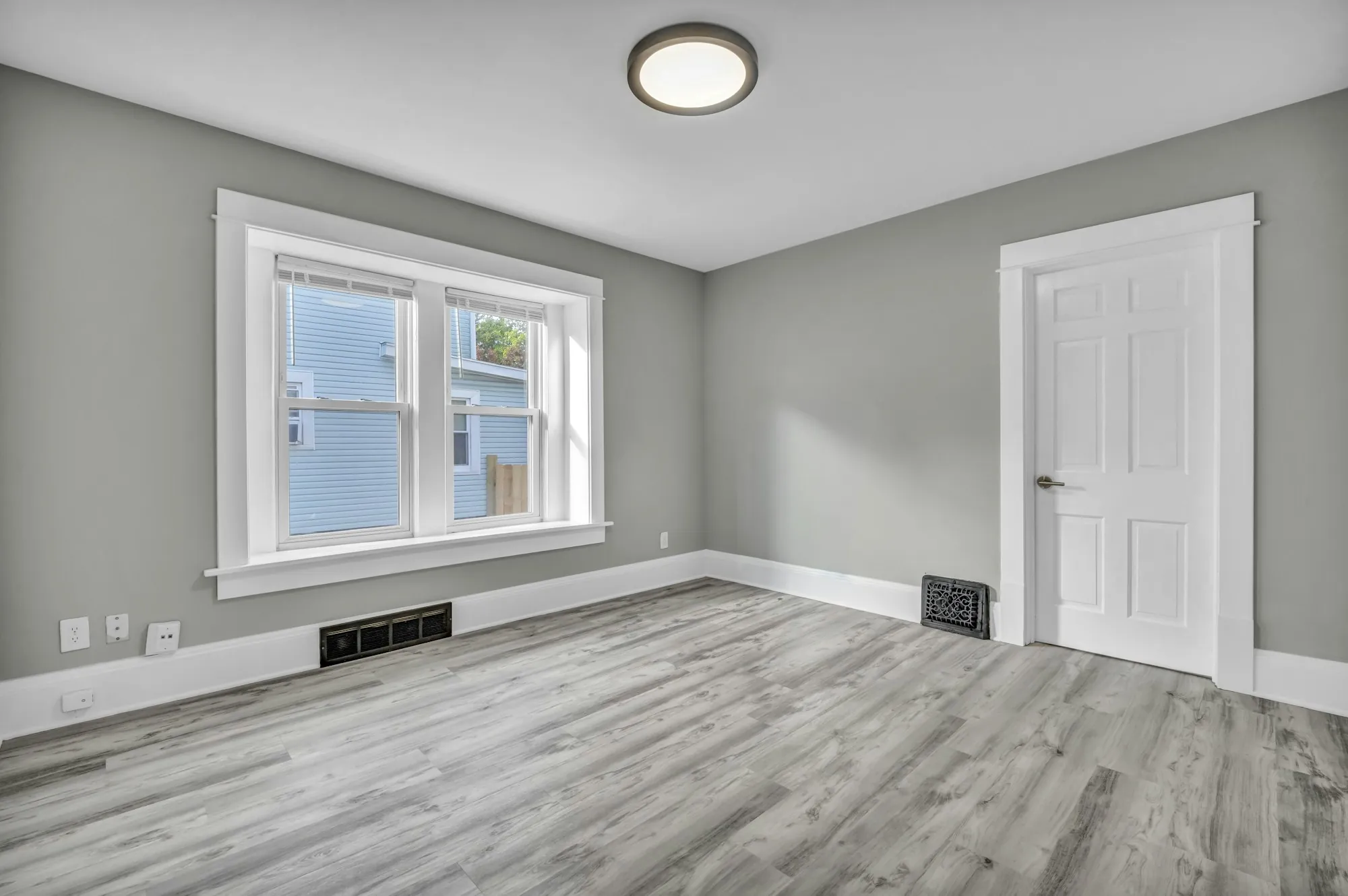
Interior & Exterior Painting
Interior walls, trim and cabinets or the outside of the house, scraped, patched and primed properly before a drop of color goes on.
-
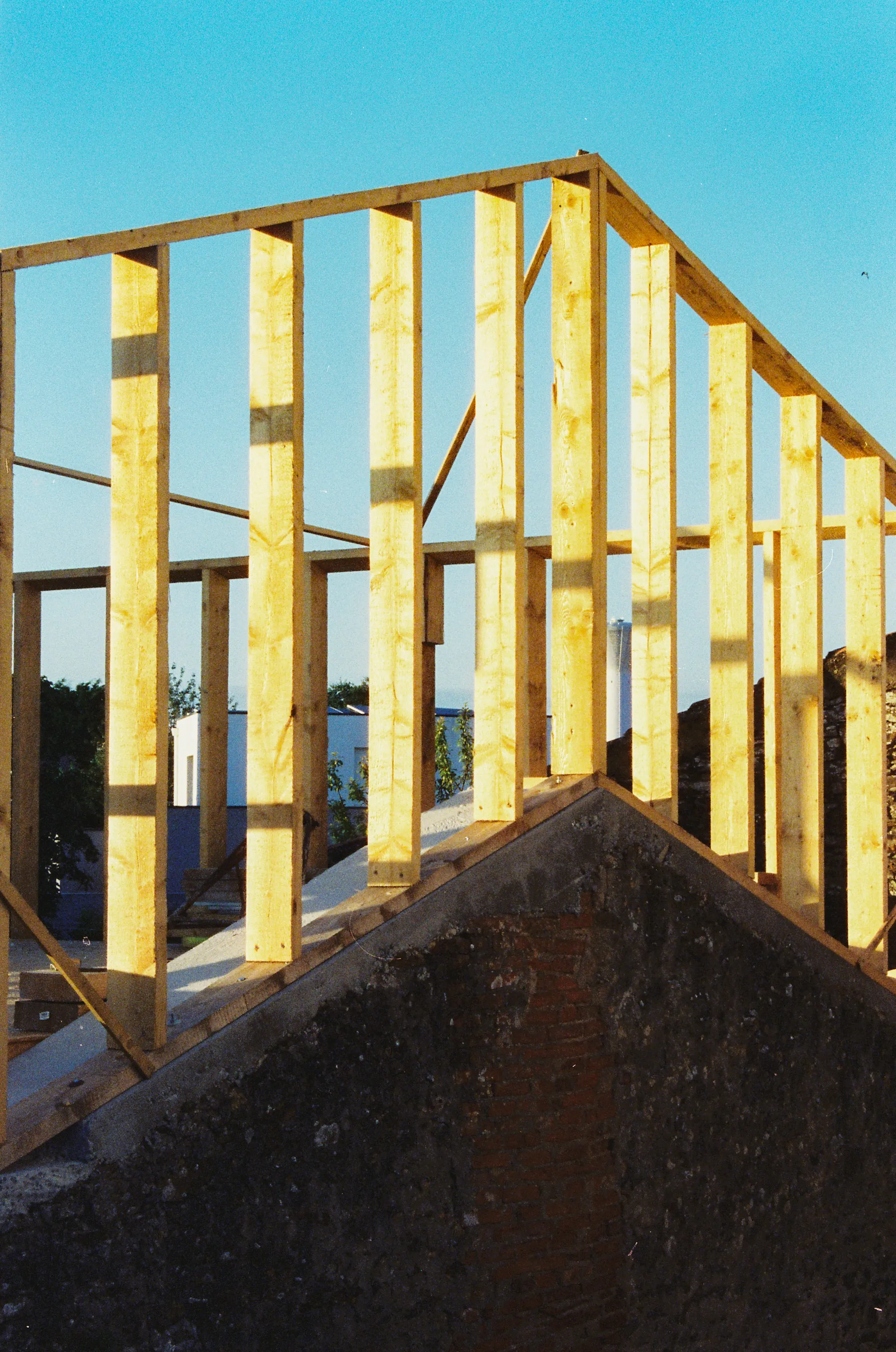
Home Additions
Extra square footage for a bedroom, den or primary suite, framed outside first so the house stays closed until the end.
-
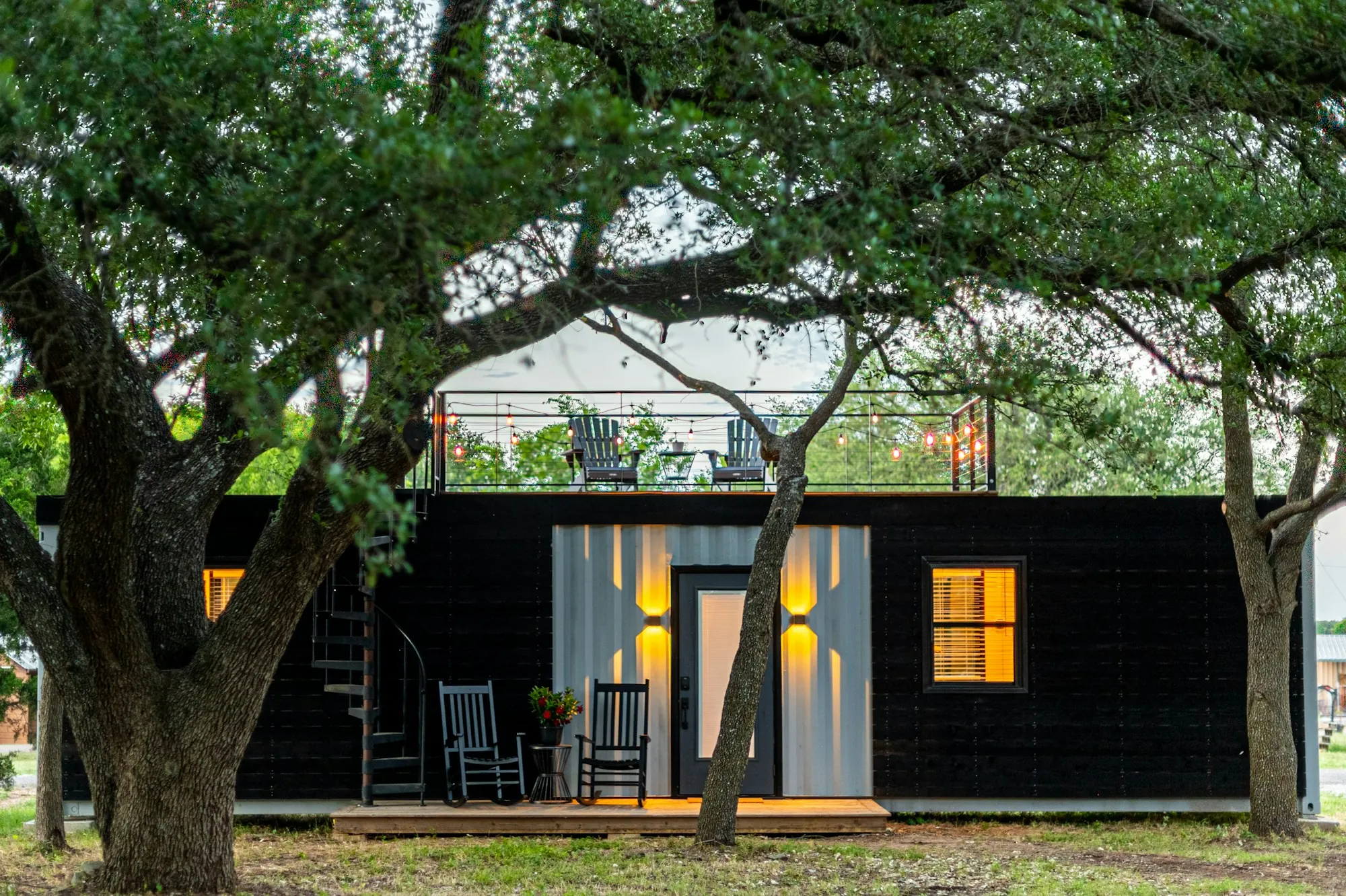
ADU Construction
A second, self-contained living space on your lot with its own kitchen, bath and door, built once zoning confirms it's allowed.
Clean Paperwork Behind a Clean House
A tidy jobsite only goes so far if the money side is a mess. These three habits keep prices, crews and surprises in order.
-
A Price Broken Into Pieces
No demolition date gets set until you are holding an estimate that splits out labor, materials and each part of the scope. You can see what the tile costs next to what the framing costs, and choose where to spend.
-
One Company Answers for the Whole Job
Framing, drywall, tile, paint and whatever pipe or wire moves with the new floor plan are coordinated under one contract. When something is off, you make one call to one company, not four.
-
Changes Wait for Your Pen
An opened floor can reveal a cracked drain or an over-notched joist. That repair, or any extra you ask for, arrives as a written change order with its price, and work on it waits for your signature.
From Phone Call to Final Sweep
Every project follows the same order, and the house gets protected and cleaned at each stage, not only at the end.
-
Start With a Call
Describe what is changing, which rooms are involved and who is home during the day. We ask a few questions about the house and say plainly whether the project fits what we do.
-
See the Space
If it fits, we come out, measure and look past the surfaces for moisture, framing and old wiring. We also note which floors and furniture will need covering.
-
Get the Scope in Writing
An itemized estimate lists the work, the materials and the cost of each piece. Read it, ask about any line, change what you like and sign when it is right.
-
Protect, Build, Sweep
Coverings and dust walls are up before anything is torn out. The crew builds to the scope you signed, cleans the area before leaving each day, and any change is priced and signed before it is built.
-
Deep Clean and Walk-Through
When the last fixture is in, the whole area gets a deep clean, the coverings come up and you go through each room with us. Anything you flag gets fixed before we call it finished.
Worried About Living in a Construction Zone?
Tell us which rooms are in play and which ones you can't give up. We'll explain how the work would be closed off from the rest of the house and cleaned up around you.
(000) 000-0000 — hear how the cleanup would work at your placeWhere We Take On Work
We remodel in Bethlehem and five nearby towns across Barrow, Walton and Oconee counties. Shorter drives mean more of each day goes to the work and the cleanup.
See all six towns- Bethlehem
- Winder
- Statham
- Auburn
- Monroe
- Bogart
Before the Drop Cloths Go Down
Can I buy my own tile and fixtures, or do you supply them?
Both work. If you enjoy choosing faucets, lighting and tile, buy them; we'll tell you how much to order, with extra for cuts, and when it has to be here. If you'd rather skip the shopping, we order. Either way, the estimate notes who is buying each item, so nothing shows up twice or not at all.
What counts as an ADU, and would our property qualify?
Think of it as a separate little home sharing your lot: a door, a kitchen and a bathroom that belong to it alone. Backyard cottages, attached suites and converted garages all count. Whether your property can have one comes down to county or city zoning, which also caps the size and decides if renting it out is allowed. We check those rules before anything else.
Why do two bathroom remodels end up priced so differently?
Mostly what moves and what you choose. Keeping the toilet, tub and drains where they are costs less than relocating them. Tile coverage, shower glass, the vanity and any damage hiding under the old floor all add up. Each of those gets its own line on the estimate, so you can trade a pricier tile for a simpler shower door, or the other way around.
Roughly how long is an ADU build, and where does the money go?
Converting a garage reuses a slab and walls that already stand, so it tends to wrap up sooner. A detached unit starts from bare ground and can run several months after plans are approved. On cost, utility runs are often the surprise: the farther the unit sits from the house, the more trenching for water, sewer and power. Size, foundation type and interior finishes make up most of the rest.
How is the cost of a home remodel worked out?
It's built from the scope, item by item. How many rooms are involved, whether a wall comes out or a drain moves, and which finishes you pick do most of the work; whatever turns up behind old drywall adds to it. Floor protection, dust walls and daily cleanup are part of every job, so they sit in the estimate rather than showing up later as extras.
If we want value out of a remodel, where should we start?
Start with the room that frustrates you every day. For resale, buyers usually study the kitchen and main bathroom first; for your own use, a finished basement or an added bedroom gives you space you'll actually live in. Market conditions decide what any project returns at sale, so we talk about usefulness rather than promised payback.
Can we keep living here while you work?
Most households do, and that's what the protection is for. The work area is closed off with dust walls, the floors leading to it are covered and the work zone gets cleaned before we leave every day. For a kitchen we help you set up a temporary place to cook; for a bath, we plan around your other bathroom. A whole-house job may move faster if you're away for a stretch.
Could our basement become a legal bedroom?
Often, yes. Code calls for an egress window or door big enough to climb out through, adequate ceiling height and working smoke alarms, and your building department sets the exact numbers. Before any framing we look for moisture on the walls and slab, because finishing over damp concrete just traps the problem behind new drywall.
Tell Us What Needs Changing
Pick the room that annoys you most and think about why. On the call we'll talk through what fixing it likely involves, what order the work would go in and how we'd keep the other rooms clean meanwhile.
Talk kitchens, baths or basements on (000) 000-0000